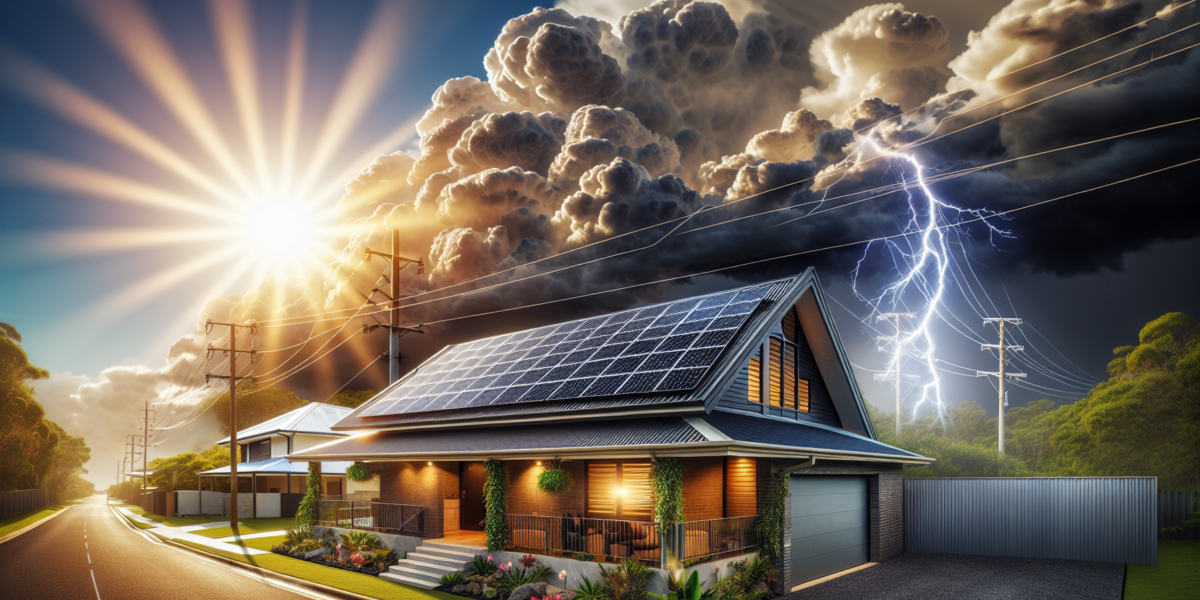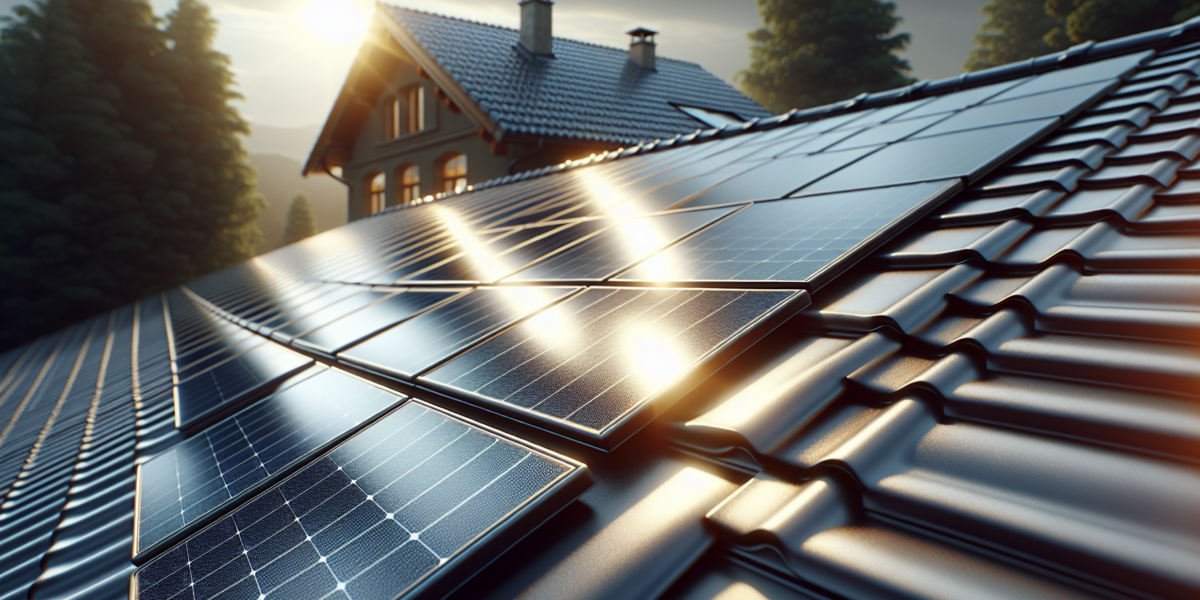



Exploring the current solar rebates and incentives available in Queensland for 2025, including federal programs promoting sustainable energy solutions.
Federal Solar Battery Rebate (Cheaper Home Batteries Program)
One of the prominent solar rebates available in Queensland in 2025 is the Federal Solar Battery Rebate, also known as the Cheaper Home Batteries Program, set to launch on July 1, 2025. This initiative aims to make battery storage more affordable for households by offering rebates of up to $18,600 on new battery systems. By installing a battery system eligible for this rebate, homeowners can potentially save up to $1,100 per year on their energy bills. It’s important to note that to qualify for this rebate, batteries must be Virtual Power Plant (VPP)-capable, although joining a VPP is optional. Due to limited funding and installation availability, residents are encouraged to apply for this rebate before the end of 2025 to secure their savings.
Small-scale Renewable Energy Scheme (SRES)
Another valuable rebate program for Queensland residents is the Small-scale Renewable Energy Scheme (SRES), which provides rebates on solar panel installations through Small-scale Technology Certificates (STCs). In Queensland, this typically translates to savings of about $400–$600 per kW installed, amounting to approximately $2,000 in savings for a typical residential system of around 6.6kW. It’s important to be aware that the SRES rebate decreases annually and is scheduled to end on December 31, 2030. Therefore, taking advantage of this program sooner rather than later can maximize your savings on solar panel installations.
Solar Feed-in Tariffs
Solar feed-in tariffs in Queensland offer homeowners the opportunity to earn credits by exporting surplus solar energy back to the grid. The rates for feed-in tariffs generally range between 6 and 10 cents per kWh, providing an ongoing financial incentive for solar panel owners. However, it’s essential to note that feed-in tariff rates may vary depending on the electricity retailer you are connected to. By leveraging solar feed-in tariffs, residents can further offset their energy costs and contribute to a more sustainable energy grid.
Queensland’s Battery Booster Program
While Queensland’s Battery Booster Program, which provided battery rebates of up to $3,000 and loans of up to $6,000, closed in 2024, it’s important to highlight that as of 2025, this program has not been re-opened or replaced. Therefore, residents looking to install battery systems should focus on the upcoming Federal Solar Battery Rebate to maximize their savings and benefits.
Additional Programs and Opportunities
In addition to the key rebate programs mentioned above, some solar providers in Queensland may offer additional incentives such as Virtual Power Plant (VPP) income opportunities and interest-free loans. These programs can vary based on specific installers or government updates, so it’s advisable to explore all available options when considering solar installations and maximizing your savings.
As we navigate towards a more sustainable future, embracing solar power through the available rebates and incentives in Queensland for 2025 is not only beneficial for individual households but also for the environment. By taking advantage of federal programs like the Solar Battery Rebate and the SRES, alongside solar feed-in tariffs, residents can significantly reduce their energy costs while contributing to a cleaner energy ecosystem. While state-level programs like Queensland’s Battery Booster Program are no longer available, acting promptly on federal rebates is crucial to secure maximum savings before funding runs out or programs conclude by 2030. Make the switch to solar today and reap the rewards of sustainable energy for years to come.